
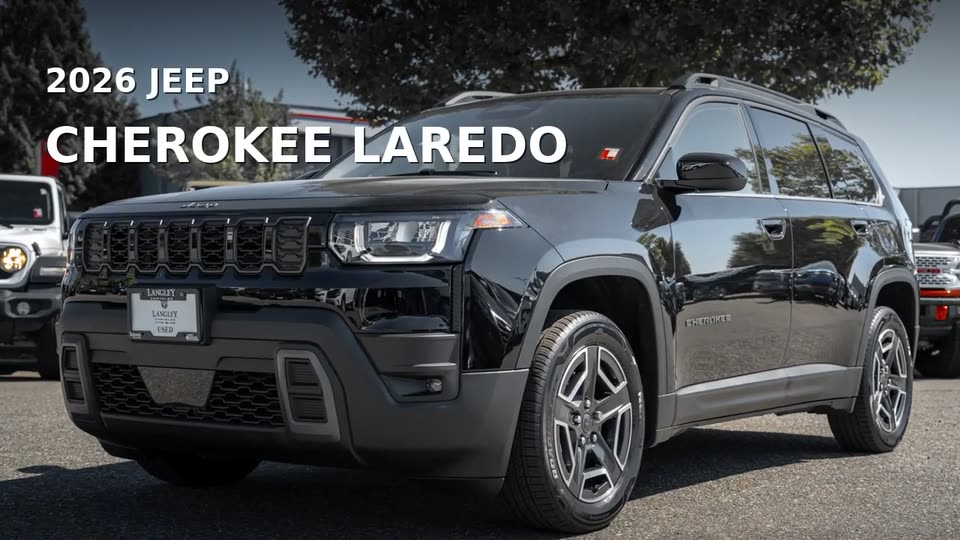
Why vehicle video belongs in the inventory workflow
Video is often treated as a separate creative project. That makes it easy to postpone. For a busy salesperson, the more practical approach is to connect video to the same vehicle data and photos already used for inventory merchandising.
A video does not need to replace the listing or the walkaround. Its job can be narrower: introduce the vehicle, highlight a few useful details and create a reason for the shopper to take the next step.
One vehicle can support several content jobs
| Format | Useful purpose | Keep it focused on |
|---|---|---|
| Short vertical video | Quick social discovery | One reason to notice the vehicle |
| Story | Timely inventory visibility | Availability and next action |
| Walkaround | Buyer education | Condition, equipment and context |
| Listing video | Support a specific vehicle page | Accurate details and presentation |
A practical five-step vehicle video workflow
1. Confirm the vehicle is active
Do not spend time creating and distributing content for a unit that has already sold or changed materially. Begin with current inventory and confirm the price before the video is approved.
2. Select a clear content angle
A video that tries to say everything often communicates nothing. Choose one useful angle: new arrival, practical family space, winter capability, premium equipment or a concise inventory overview.
3. Build from accurate assets
Use the strongest dealership photos and verified vehicle information. Avoid adding features that cannot be confirmed. If a monthly payment appears, make sure the required terms and context are included according to your dealership’s process and applicable rules.
4. Review the output
Automation can assemble images, text and transitions, but a salesperson should still check the result. Confirm spelling, trim, price, photo order and the final call to action.
5. Reuse without duplicating blindly
The same source material can become a Reel, Story or short social post, but each version should fit its placement. A vertical format, readable text and a clean opening matter more than exporting the identical file everywhere.
From an existing listing to social video
Marketplace Lister Pro combines the Core workflow with automatic vertical, horizontal, or both video formats for $74 CAD per month.
See both Video Pro examples →What makes an automotive video useful?
- The vehicle is visible immediately.
- The first text is readable without pausing.
- Information matches current inventory.
- The length fits the idea rather than an arbitrary target.
- The shopper knows how to ask about the vehicle.
- The salesperson can produce the next one without starting from zero.
Common mistakes
Waiting for perfect production
Professional does not have to mean slow. Consistent lighting, clean photos, readable text and accurate details can be more useful than an elaborate edit that never gets published.
Using every available photo
More images do not automatically make the video better. Choose enough to tell a coherent story and keep the most useful exterior, interior and feature views.
Leaving old content active without context
If the vehicle sells or the price changes, decide how the video should be handled. A reusable brand post and a specific inventory advertisement are not the same thing.
How video supports an individual salesperson
For a salesperson, vehicle video is also personal marketing. A consistent stream of useful inventory content can show what you sell, how you communicate and what buyers can expect. The strongest personal brand is usually built from steady, credible work rather than occasional production-heavy campaigns.
Frequently asked questions
Do I need to appear on camera?
No. On-camera video can build familiarity, but photo-to-video content, voiceover and simple walkarounds can all serve different purposes.
Should every vehicle receive a video?
Start with inventory where video has a clear purpose and where the assets are strong. Build consistency before expanding volume.
Can AI create the whole video?
AI and automation can accelerate assembly and copy, but vehicle accuracy and the final selling message still deserve human review.